
0:00Intro
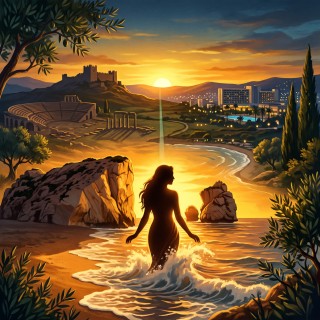
Cyprus: The Divided Sun-Kissed Island of Aphrodite, Goddess of Love
Nestled in the shimmering azure embrace of the Mediterranean Sea, Cyprus beckons with a tapestry woven from ancient myths, sun-drenched beaches, and a complex modern history. Known as the birthplace of Aphrodite, the Greek goddess of love, beauty, pleasure, and procreation, this island gem promises more than just idyllic holidays; it offers a profound journey into the heart of human resilience and the enduring legacy of a captivating past.
From the moment you set foot on its shores, Cyprus enthralls. The air hums with the whispers of antiquity, carrying tales of Odysseus, Roman emperors, Byzantine churches, and Crusader castles. Paphos, a UNESCO World Heritage site, serves as a poignant reminder of Aphrodite’s legendary emergence from the sea foam at Petra tou Romiou. Here, ancient mosaics depict scenes of gods and mortals, vibrant and timeless, reflecting the island’s deep roots in classical mythology. The very landscape seems to radiate a unique energy, a blend of wild natural beauty and millennia of human habitation.
Yet, beneath this enchanting surface lies a poignant narrative of division. Since 1974, Cyprus has been bisected by a ‘Green Line,’ separating the Greek Cypriot south from the Turkish Cypriot north. This partition, a result of political tensions and military intervention, has cast a long shadow over the island, creating two distinct entities with different cultures, languages, and international recognition. The capital city, Nicosia, stands as the last divided capital in the world, its bustling streets abruptly halted by checkpoints and barbed wire. This division is not merely political; it permeates daily life, family histories, and national identity, offering a powerful case study in geopolitical complexities.
Despite this historical wound, Cyprus radiates an indomitable spirit. In the south, vibrant tourist resorts like Ayia Napa and Limassol buzz with international visitors drawn to pristine beaches, lively nightlife, and water sports. Inland, traditional villages like Lefkara, famed for its intricate lacework, offer a glimpse into authentic Cypriot life, where hospitality is paramount and the aroma of halloumi and souvlaki fills the air. The Troodos Mountains, a verdant sanctuary, invite exploration with their ancient monasteries, picturesque hiking trails, and even skiing in winter – a surprising contrast to the island’s sun-baked coastal image.
The northern part of the island, often referred to as Northern Cyprus, also boasts incredible natural beauty and historical sites, albeit with a different, often quieter, tourism infrastructure. The walled city of Famagusta, with its haunting ghost town of Varosha, and the dramatic Kyrenia Castle, overlooking the harbor, tell their own stories of conquest and resilience. The Karpas Peninsula, a wild and rugged stretch of land, is home to wild donkeys and secluded beaches, offering a serene escape for those seeking tranquility.
What truly captifies about Cyprus is its enduring allure, even in its complexity. The island’s strategic location at the crossroads of Europe, Asia, and Africa has made it a coveted prize throughout history, leading to a rich amalgamation of influences – Greek, Roman, Byzantine, Lusignan, Ottoman, and British. This cultural mosaic is evident in its architecture, cuisine, and traditions, creating a deeply layered identity.
For travelers, Cyprus offers a unique juxtaposition: ancient ruins alongside modern resorts, a vibrant party scene next to serene mountain monasteries, and the stark reality of division contrasting with the warmth of its people. It is an island that challenges perceptions, inviting visitors to look beyond the surface and engage with its multifaceted soul. Whether exploring Aphrodite’s rock, hiking through fragrant pine forests, or simply savoring a meze feast by the sea, Cyprus leaves an indelible mark. It is a testament to the power of history, the beauty of nature, and the enduring human spirit, forever intertwined with the myth of the goddess who emerged from its very waters.