
The Canine Catalyst: How a Stray Dog Ignited International Conflict
In the annals of human folly and geopolitical absurdity, few events rival the sheer, almost comedic, tragedy of the War of the Stray Dog. It was October 1925, a mere seven years after the cataclysmic end of World War I, and the Balkans, as ever, remained a powder keg of simmering ethnic tensions, border disputes, and historical grievances. The stage was set, not for a grand clash of empires, but for a meticulously detailed, almost farcical, escalation triggered by an unlikely protagonist: a runaway canine.
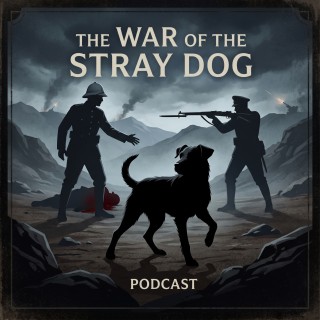
The setting was the mountainous, heavily fortified border between Greece and Bulgaria, a line drawn by the Treaty of Neuilly-sur-Seine and perpetually contested by both nations. On one side stood a Greek sentry, dutifully guarding his post, and on the other, a Bulgarian counterpart, equally vigilant. The catalyst? The Greek soldier’s beloved pet, a dog, which, with the boundless curiosity and heedlessness characteristic of its species, decided to embark on an impromptu adventure across the border into Bulgarian territory.
Accounts vary slightly, but the prevailing narrative suggests the Greek soldier, consumed by loyalty and perhaps a touch of exasperation, instinctively pursued his furry friend. What followed was a fatal miscalculation. As he stepped onto Bulgarian soil, a Bulgarian sentry, interpreting the incursion as a hostile act, opened fire. The Greek soldier fell, mortally wounded. The dog, presumably, scurried back to safety, leaving behind a dead man and an international incident of staggering proportions.
This seemingly isolated incident, a tragic misunderstanding at a tense border, rapidly metastasized into a full-blown military confrontation. The immediate Greek response was swift and furious. Incensed by what they perceived as an unprovoked act of aggression, Greek forces, under the command of General Theodoros Pangalos (a man known for his nationalist fervor), launched a full-scale invasion of Bulgaria. Within days, Greek troops had penetrated several miles into Bulgarian territory, occupying numerous villages and threatening the city of Petrich. Artillery shells rained down, trenches were dug, and the grim machinery of war was once again set in motion.
Bulgaria, a nation still recovering from the debilitating effects of World War I and facing a far larger and better-equipped Greek army, appealed desperately to the international community. The League of Nations, established to prevent precisely this kind of conflict, found itself facing its first significant test of authority. The League, led by its President, Aristide Briand, acted with unusual alacrity. It condemned the Greek invasion, demanded an immediate ceasefire, and called for the withdrawal of all Greek troops from Bulgarian soil.
The pressure mounted. Britain and France, key powers within the League, supported the resolution, albeit with varying degrees of enthusiasm. Greece, facing international condemnation and the threat of severe economic sanctions, eventually bowed to the pressure. A ceasefire was declared, and Greek forces began their withdrawal, albeit reluctantly. The League of Nations dispatched a commission of inquiry to investigate the incident and assess damages.
When the dust settled, the human cost was tragically high. Estimates suggest that around 50 people, both soldiers and civilians, lost their lives in the brief but brutal conflict. Bulgaria was awarded an indemnity of £45,000 (a significant sum at the time) by Greece, a punitive measure for the invasion. The War of the Stray Dog became a chilling testament to how quickly minor incidents can escalate into major conflicts when fueled by existing animosities and a lack of effective communication.
More importantly, the incident served as a crucial, if temporary, triumph for the nascent League of Nations. It demonstrated that international diplomacy, when backed by collective will, could indeed de-escalate crises and prevent wider wars. However, the lessons learned were fleeting. Just over a decade later, the League would prove utterly powerless in the face of burgeoning totalitarianism and global aggression, ultimately failing to prevent the outbreak of World War II. Yet, for a brief moment in 1925, a runaway dog, a grieving soldier, and a trigger-happy sentry inadvertently provided a powerful, albeit bloody, demonstration of the delicate tightrope walk of international relations.