S01:E96
The Great Smog of London (1952): When the Air Itself Became a Silent Killer
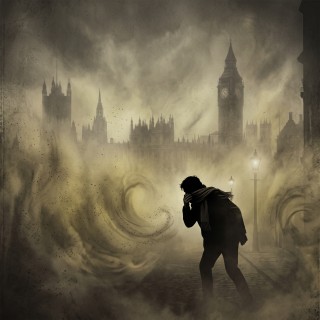
Imagine a city, bustling with life, suddenly plunged into an apocalyptic twilight. This isn’t a scene from a dystopian novel; it’s the chilling reality that gripped London in December 1952. The event, now infamously known as the Great Smog, or the Killer Fog, stands as a stark reminder of humanity’s impact on its environment and the devastating consequences that can arise from industrialization.
For five long days, from December 5th to December 9th, 1952, a suffocating blanket of polluted air enveloped the British capital. The conditions were ripe for disaster. A persistent anticyclone, a high-pressure weather system, settled over Southern England. This atmospheric lid effectively trapped cold, stagnant air close to the ground, preventing any vertical movement or dispersal of pollutants. Simultaneously, Londoners, accustomed to burning copious amounts of coal for heating their homes, continued their daily routines. Industrial factories and power plants, the engines of a post-war economy, relentlessly belched out tons of smoke, soot, and sulfur dioxide into the already compromised atmosphere. The stage was set for a catastrophe.
Initially, the fog seemed like a familiar nuisance, albeit thicker than usual. But as the days wore on, it intensified to an unimaginable degree. Visibility plummeted to mere feet, often less. Public transportation ground to a halt; buses, trams, and even ambulances struggled to navigate the impenetrable gloom. Pilots were forced to abandon flights, and trains moved at a snail’s pace, if at all. People found themselves disoriented and lost even in familiar streets. Theater performances were canceled as the smog seeped indoors, obscuring the stage from the audience. Even cattle at the Smithfield Show reportedly suffocated due to the acrid air.
But the true horror lay in the invisible killer within the fog. The coal-burning produced a toxic cocktail of sulfur dioxide, carbon monoxide, tar particles, and various other irritants. In the presence of the dense fog, these pollutants underwent chemical reactions, forming sulfuric acid droplets. This deadly brew infiltrated homes, offices, and, most terrifyingly, human lungs. The effects were almost immediate. Hospitals reported a dramatic surge in respiratory illnesses, particularly bronchitis and pneumonia. The elderly, the very young, and those with pre-existing conditions were especially vulnerable. Deaths soared, initially attributed to typical winter ailments, but the unprecedented numbers soon pointed to a far more sinister cause.
Estimates vary, but it’s widely believed that at least 4,000 people died directly as a result of the Great Smog during those five days and the immediate aftermath. However, subsequent epidemiological studies suggest the true toll was far higher, possibly reaching 10,000 to 12,000 premature deaths in the following weeks and months, as the long-term effects of the inhaled toxins manifested. This silent catastrophe, occurring in one of the world’s leading cities, served as a grim wake-up call.
The Great Smog of 1952 was a pivotal moment in environmental history. It exposed the deadly consequences of unchecked industrial pollution and the urgent need for cleaner air policies. In its aftermath, the British government was compelled to act. The Clean Air Act of 1956 was a direct response to the tragedy, introducing restrictions on coal burning in urban areas, promoting cleaner fuels, and relocating power stations away from population centers. While subsequent smogs did occur, none reached the devastating intensity of 1952, largely due to these legislative changes.
The Killer Fog of London remains a powerful historical lesson. It underscores the delicate balance between industrial progress and environmental health, reminding us that the air we breathe is not an infinite waste dump. It highlights the importance of scientific understanding, public awareness, and proactive government action in safeguarding public health against invisible threats. The memory of those five dark days in London continues to resonate, a chilling testament to a time when the very atmosphere turned against its inhabitants, claiming lives in silence and darkness.